


Cement, Concrete & Masonry

Cement and Masonry for Your Home

Cement and Masonry for Your Home

The foundation of any durable and aesthetically pleasing home begins with selecting the right cement and masonry materia...

Read More →
The Right Way to Prep Concrete: Why Acid Etching is Your Paint’s Best Friend

The Right Way to Prep Concrete: Why Acid Etching is Your Paint’s Best Friend

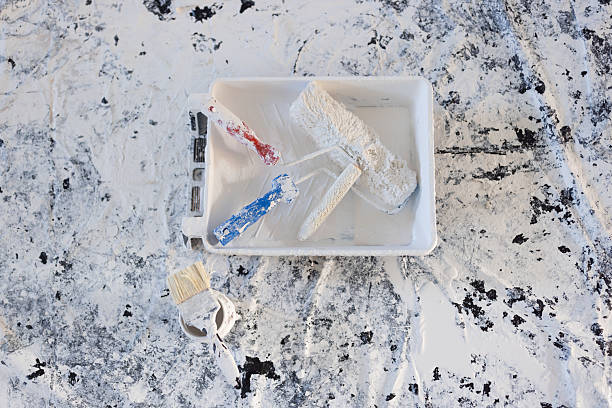
You have probably seen it happen before. A neighbor spends a whole weekend painting their garage floor, and within a yea...

Read More →
Understanding the Causes of Cracks in Dried Concrete

Understanding the Causes of Cracks in Dried Concrete

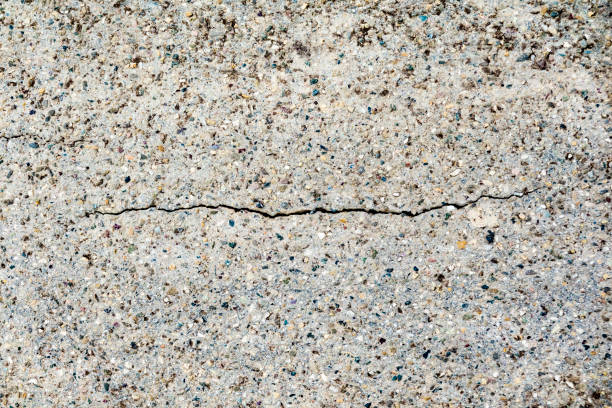
The sight of fresh concrete curing into a smooth, monolithic slab is a satisfying one, but the subsequent appearance of ...

Read More →
DIY Cement and Masonry Projects for Strong Foundations

DIY Cement and Masonry Projects for Strong Foundations

Cement and masonry projects offer homeowners some of the most durable and rewarding DIY opportunities, combining practic...

Read More →
Can I Successfully Coat Over Painted Concrete?

Can I Successfully Coat Over Painted Concrete?

The short and reassuring answer is yes, you absolutely can coat over painted concrete. This common project, undertaken o...

Read More →
The Secret to Smooth, Crack-Free Concrete in Your Home Projects

The Secret to Smooth, Crack-Free Concrete in Your Home Projects

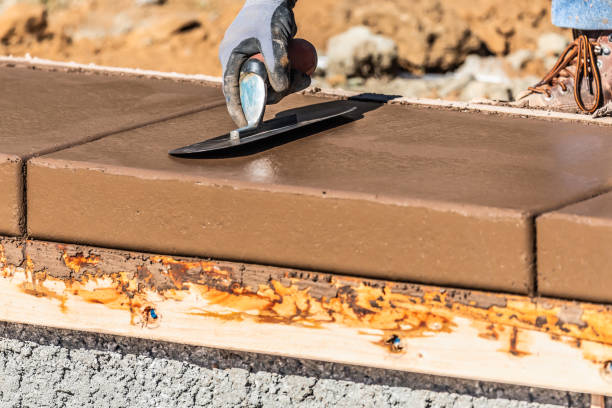
Let’s be honest, there’s nothing quite like the look of a fresh, smooth slab of concrete. Whether it’s a new patio...

Read More →
The Essential Guide to Maintaining Coated Concrete Floors

The Essential Guide to Maintaining Coated Concrete Floors

Coated concrete floors, found in everything from bustling warehouses to modern homes, offer a durable and aesthetically ...

Read More →
The Most Straightforward DIY Coating for Basement Floors

The Most Straightforward DIY Coating for Basement Floors

For homeowners seeking to transform their cold, damp, or stained basement concrete, the array of coating options can be ...

Read More →
The Best Way to Anchor into Brick or Concrete

The Best Way to Anchor into Brick or Concrete

Let’s be honest, hanging something on drywall is a breeze, but when your project leads you to the unforgiving surface ...

Read More →
Pouring Concrete in Cold Weather: A Guide to Success

Pouring Concrete in Cold Weather: A Guide to Success

The question of whether one can pour concrete in cold weather is a common concern for contractors and ambitious DIY home...

Read More →
The Essential Guide to Mixing Concrete for Small Home Projects

The Essential Guide to Mixing Concrete for Small Home Projects

Mixing concrete properly is a fundamental skill for any homeowner or DIY enthusiast, forming the bedrock of countless sm...

Read More →
Why Concrete Cracks (And Why You Shouldn’t Panic)

Why Concrete Cracks (And Why You Shouldn’t Panic)

If you’ve ever poured a concrete patio, a walkway, or even a simple set of steps in your yard, you have probably notic...

Read More →
Can I DIY a Concrete Countertop? A Realistic Guide

Can I DIY a Concrete Countertop? A Realistic Guide

The allure of a concrete countertop is undeniable. It offers a unique blend of industrial chic and artisanal warmth, wit...

Read More →
Understanding and Preventing Efflorescence on Concrete and Brick Surfaces

Understanding and Preventing Efflorescence on Concrete and Brick Surfaces

Efflorescence, that unsightly white, powdery deposit that mars the appearance of concrete, brick, and masonry, is a comm...

Read More →
The Essential Guide to Preparing Ground for a Durable Concrete Slab

The Essential Guide to Preparing Ground for a Durable Concrete Slab

The longevity and performance of any concrete structure, from a simple garden path to a foundational driveway, are deter...

Read More →
FAQ

Find answers to the most common questions about cement, concrete & masonry.

Cement, Concrete & Masonry

Measure the height, width, and thickness of the existing door frame, including the rough opening (from stud to stud).

Visit a local glass shop for custom cuts. Provide thickness measurements (usually 1/4" or 3/8") and request tempered glass for safety.

Water-based epoxy dries in 12–24 hours (72 hours for heavy use). Polyurethane and polyaspartic coatings cure faster (4–8 hours).

Bull float for initial leveling. Magnesium trowel for a smooth finish. Broom finish for slip-resistant surfaces.

© 2026 RepairHome. All Rights Reserved.